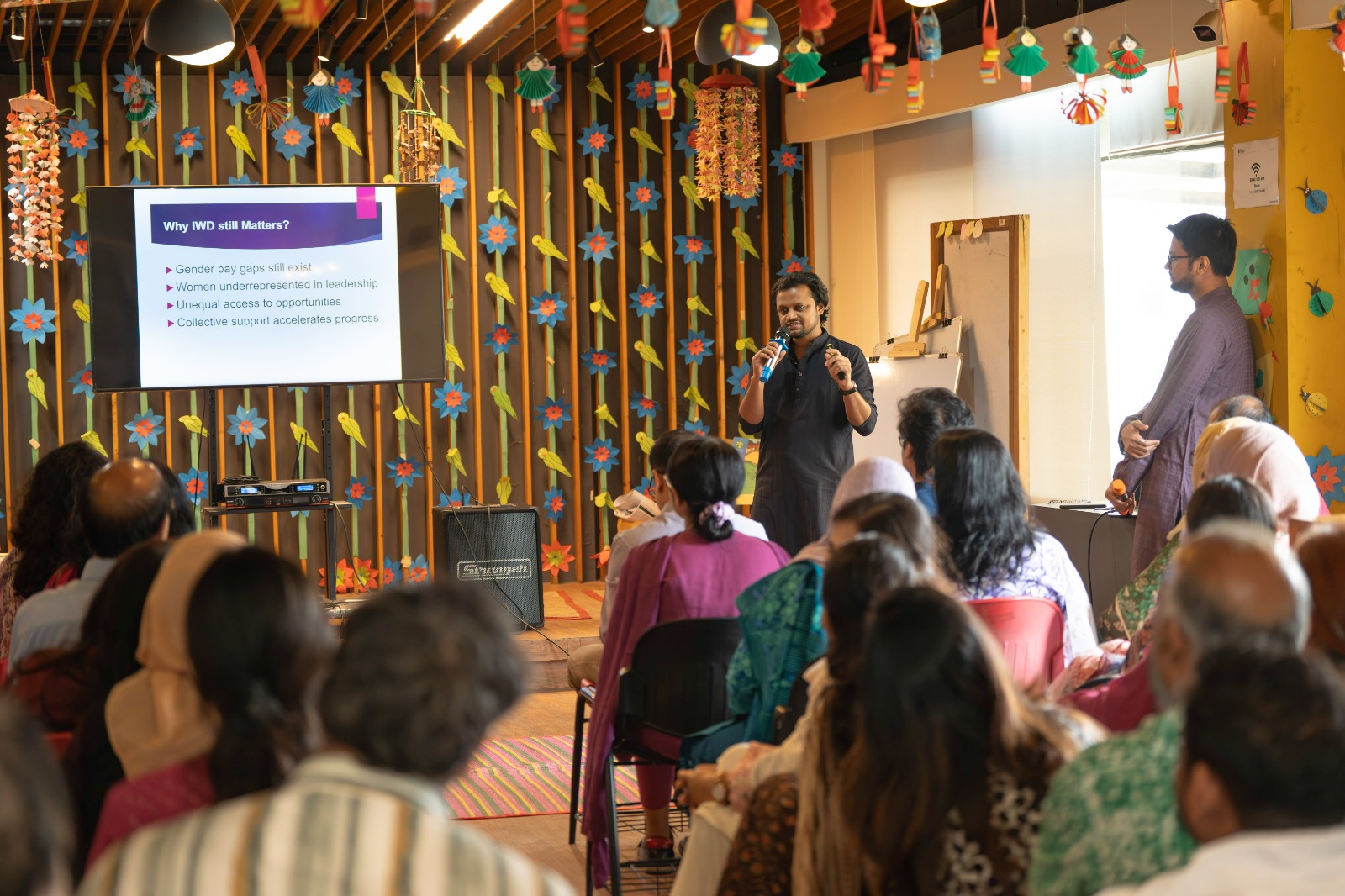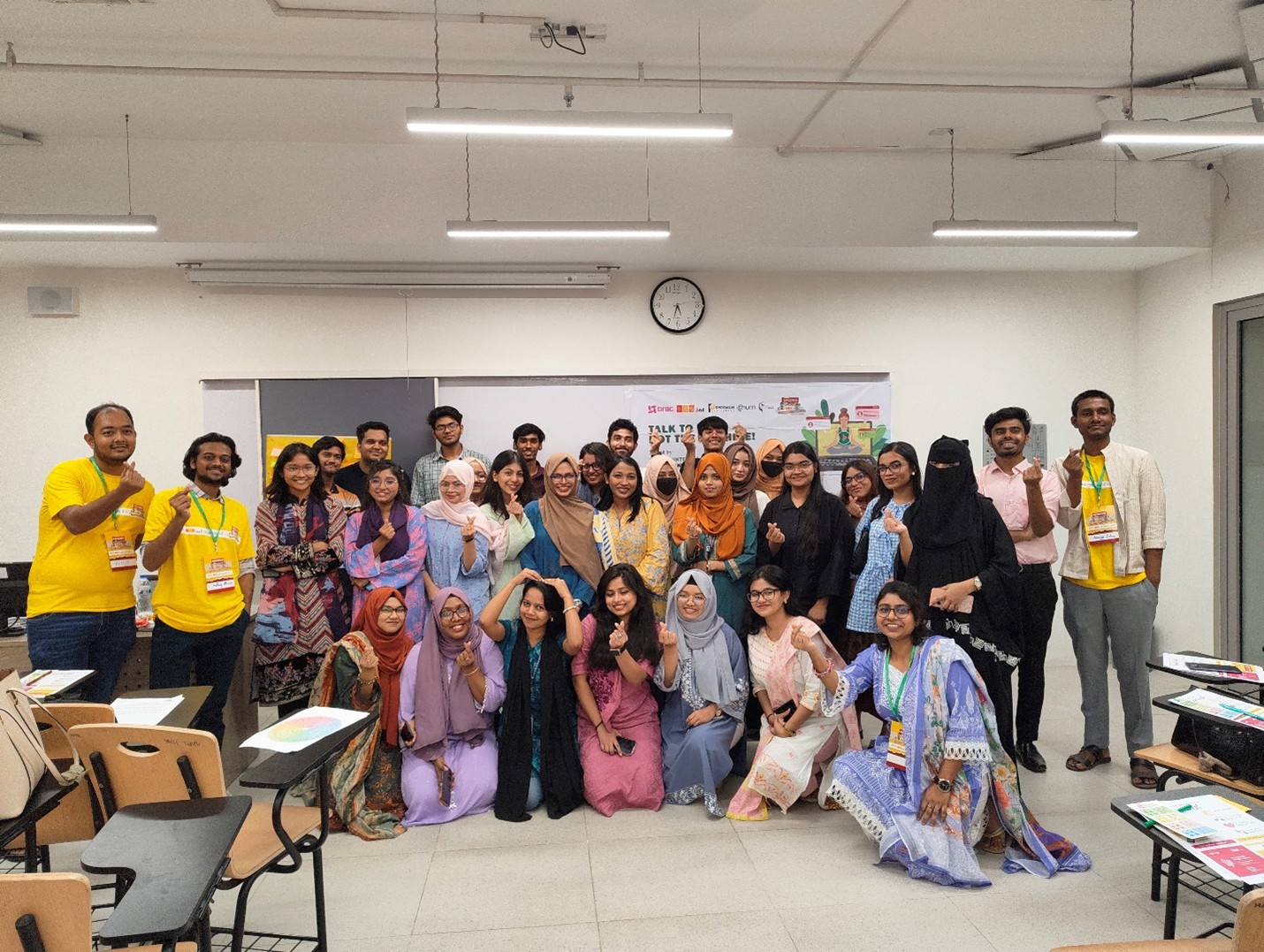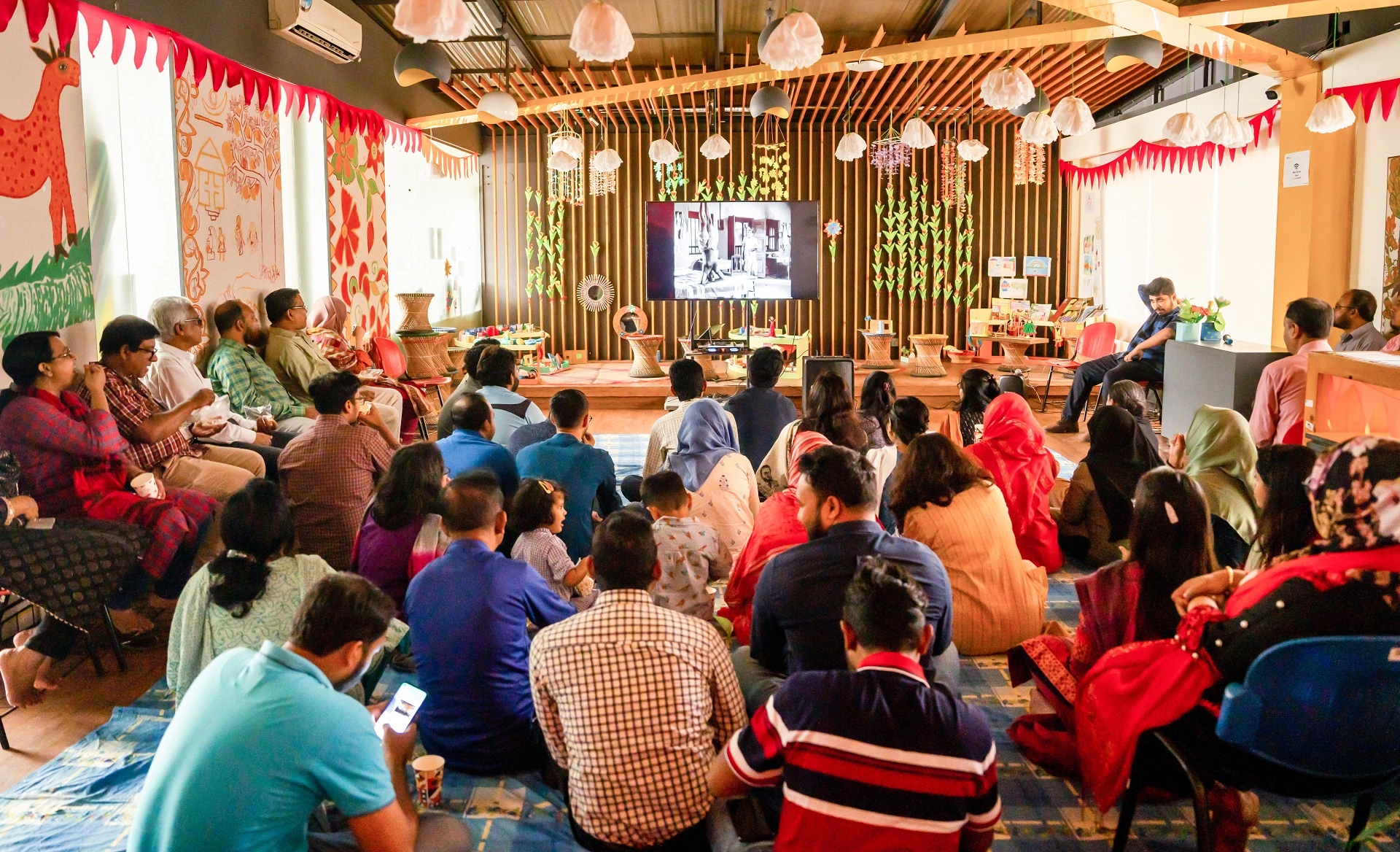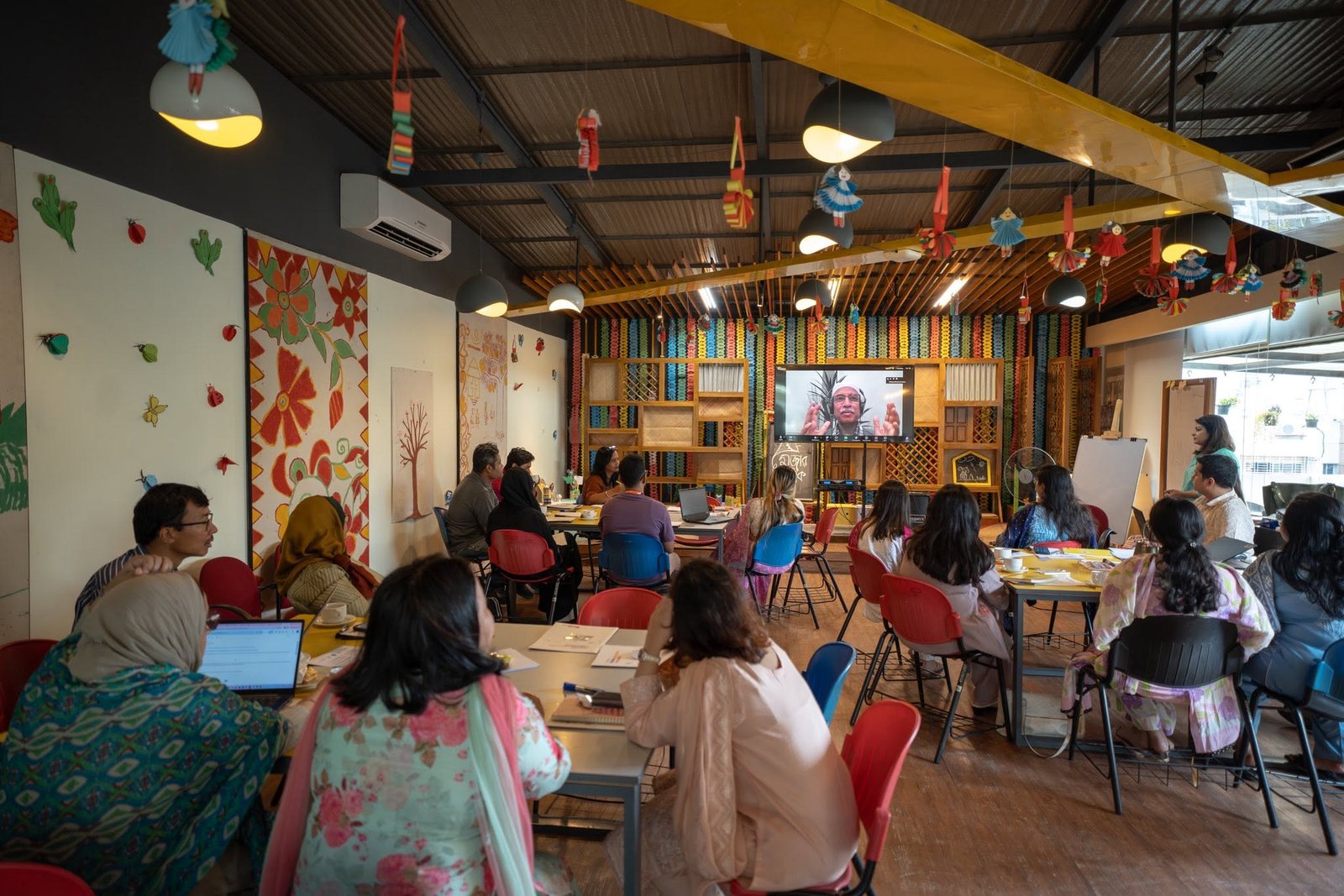
Convened by BRAC IED, BEN, and BIGD, the workshop brought together cross-sector stakeholders to advance collective action on childcare in Bangladesh.
Date: June 15, 2026
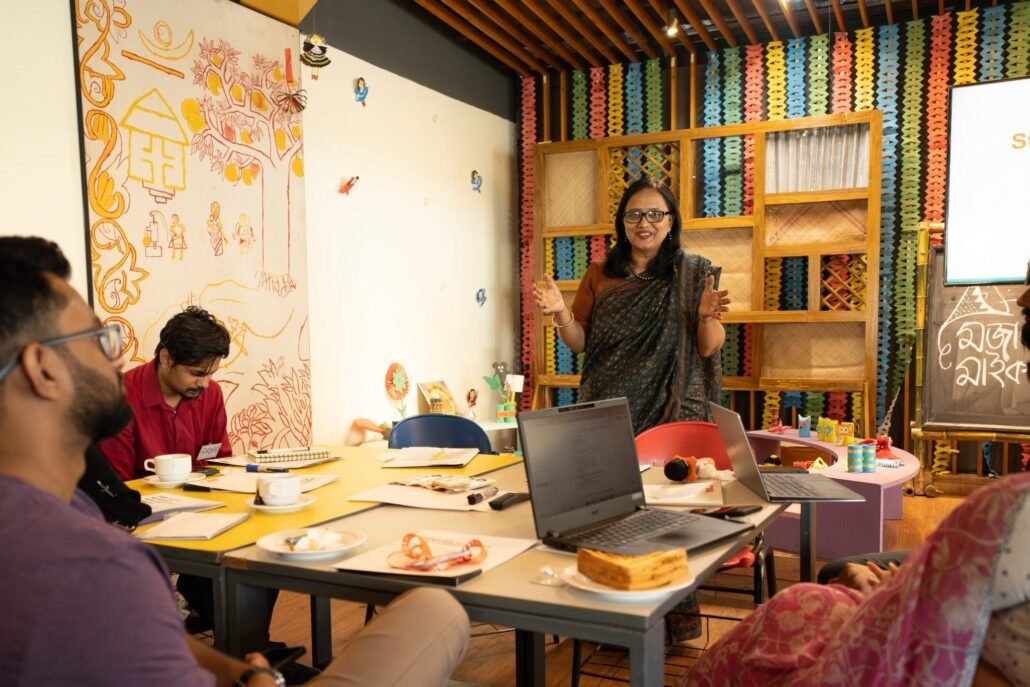
The Workshop on Home-based Childcare Advocacy brought together a diverse group of stakeholders in Bangladesh to reflect on childcare challenges, explore opportunities for coalition-building, and strengthen dialogue around home-based childcare as part of a broader childcare systems agenda.
Organized under the CARE Initiative, the workshop created space for shared learning and exchange among actors working across childcare, gender equality, labour rights, research, and development practice. The discussions reinforced that childcare in Bangladesh is not only a service issue, but also a labour, gender, and development issue that requires coordinated action across sectors.
About the CARE Initiative
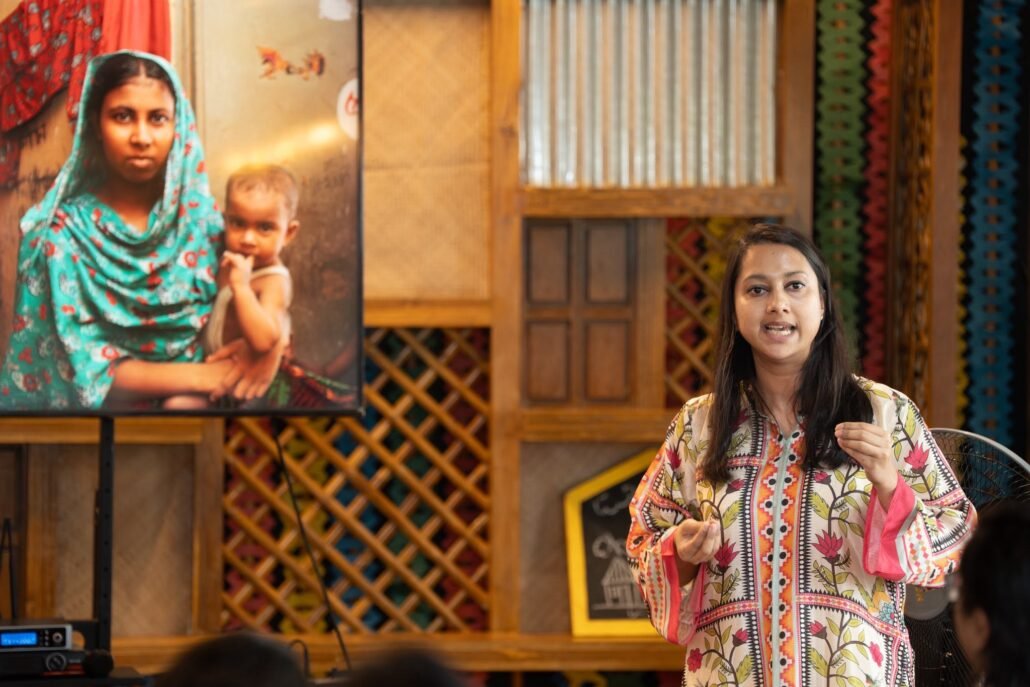
The Childcare Advocacy, Research, and Engagement (CARE) Initiative was launched by the Early Childhood Development Action Network (ECDAN) as a global effort to strengthen childcare systems through advocacy, evidence generation, and cross-sector engagement. Bangladesh is one of the CARE Initiative’s three focus countries, alongside Tanzania and South Africa.
In Bangladesh, the initiative is being advanced through a consortium led by BRAC Institute of Educational Development (BRAC IED), Bangladesh ECD Network (BEN), and BRAC Institute of Governance and Development (BIGD). BRAC IED is providing overall leadership and technical direction for the initiative, BEN is supporting stakeholder engagement and coalition-building, and BIGD is contributing research and policy analysis to help inform evidence-based action.
Why the Workshop was Important
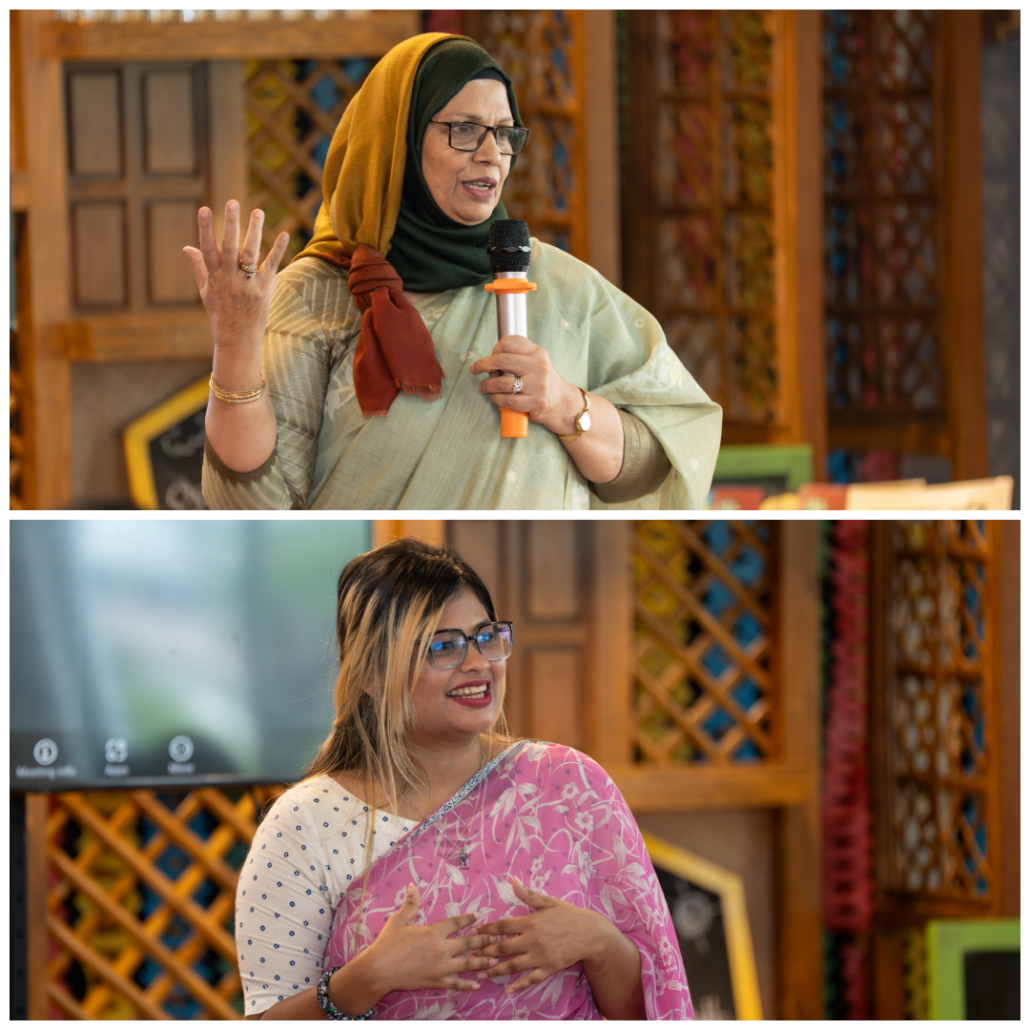
The workshop was organized at a time when childcare is gaining increasing attention as an essential issue for women’s labour force participation, child wellbeing, and inclusive development. In Bangladesh, the childcare landscape continues to be shaped by rising demand, limited formal childcare services, and significant gaps in access, affordability, and quality.
Against this backdrop, the workshop aimed to build a shared understanding of the CARE Initiative, explore coalition-building opportunities for the childcare movement in Bangladesh, and identify possible directions for collective action going forward. A particular focus of the discussion was home-based childcare and its place within the wider childcare and care economy ecosystem.
A Diverse Group of Stakeholders in the Room
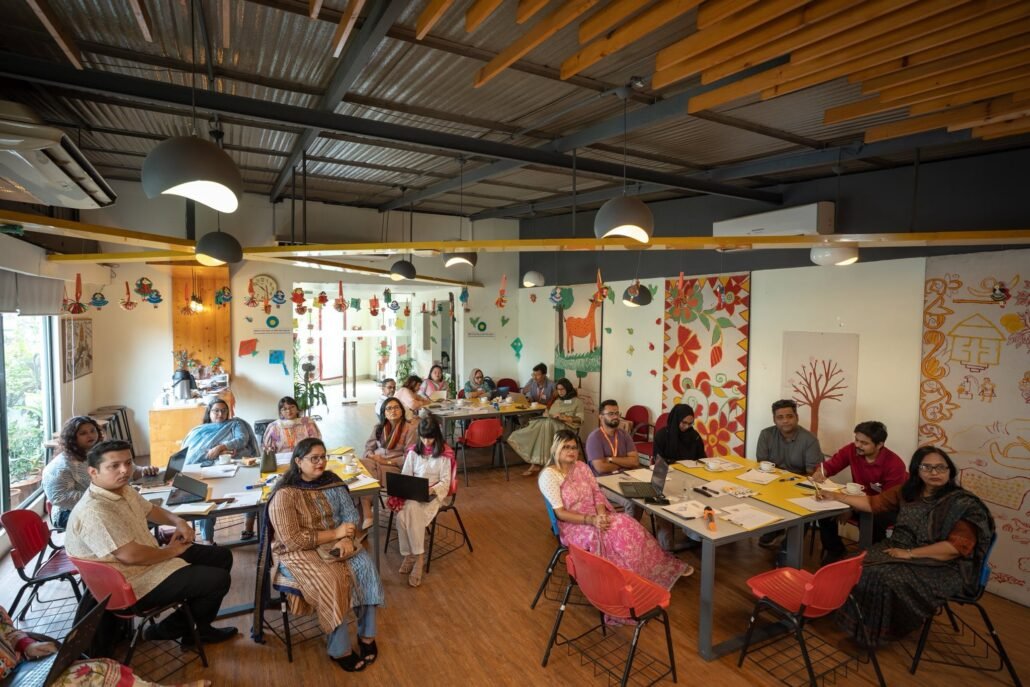
The workshop brought together participants from a range of organizations whose work connects to childcare from different angles. Among those present were representatives from Phulki, Synergos, the World Bank, Ayat Education, BoP Innovation Center (BoPinc), Aparajeyo-Bangladesh, BILS, and others working across the broader development, research, and advocacy landscape.
This diversity reflected the core premise of the workshop: strengthening childcare systems requires collaboration across sectors. The presence of actors working in early childhood development, policy, implementation, financing, research, and private sector engagement highlighted the value of building a broader coalition around childcare in Bangladesh.
What the Workshop Focused On
The workshop opened with an overview of the CARE Initiative, including its global context and Bangladesh-specific focus. This helped ground the discussion in the broader vision of strengthening childcare systems while also clarifying the relevance of the initiative in the Bangladesh context.
Participants then engaged in discussion around the current childcare landscape in Bangladesh, the need for stronger collective action, and the role a coalition could play in advancing dialogue and advocacy. Home-based childcare was discussed as an important entry point within a larger systems conversation, particularly in relation to accessibility, working families, and context-appropriate solutions.
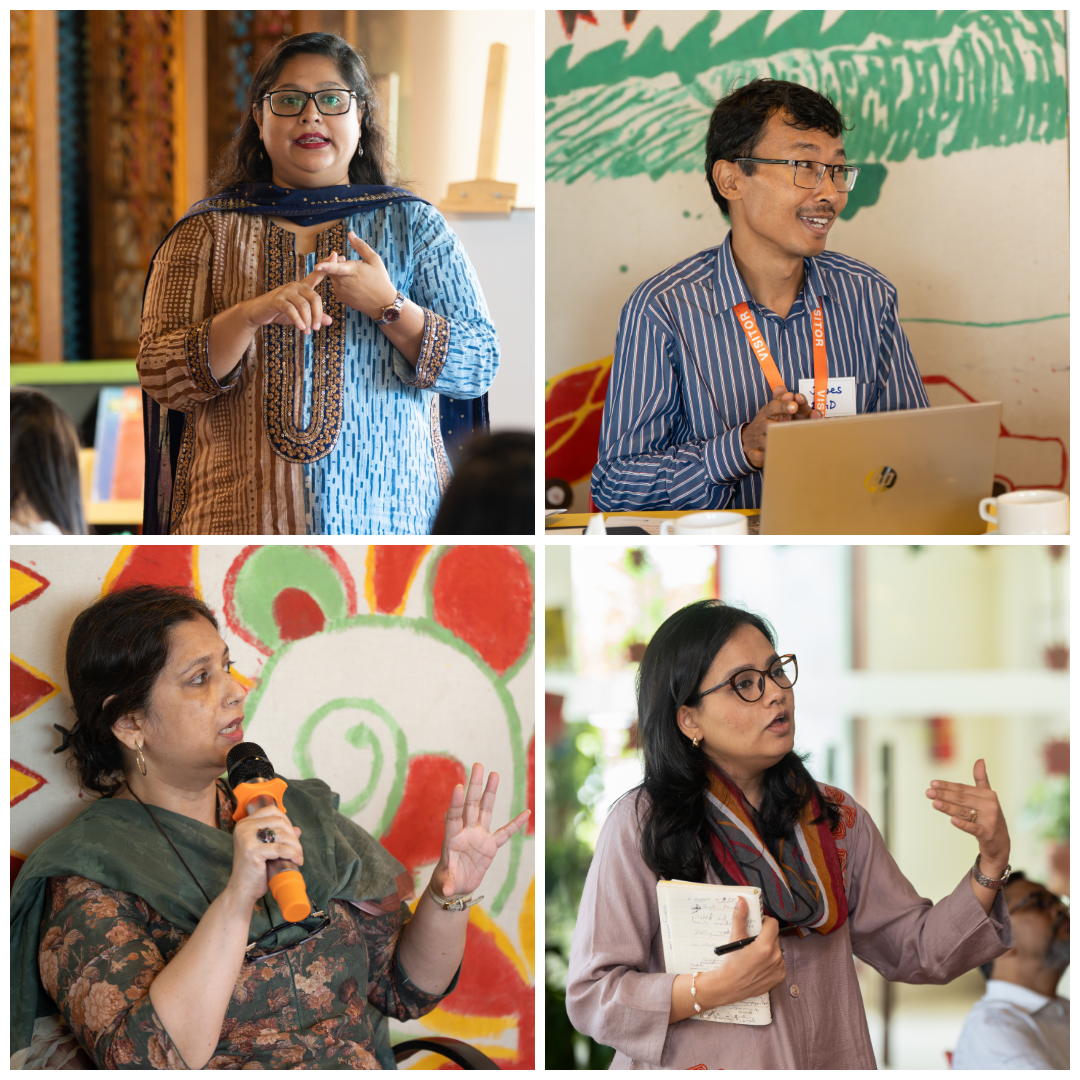
The discussions also underscored the importance of bringing together diverse forms of expertise and experience. Participants reflected on how stronger collaboration could help generate momentum for childcare advocacy and contribute to a more coordinated childcare movement in Bangladesh.
Looking Ahead
The workshop marked an important step in advancing the conversation on home-based childcare in Bangladesh. It created space for stakeholders to engage around shared priorities in childcare, strengthen collaboration, and build momentum for advocacy in this area.